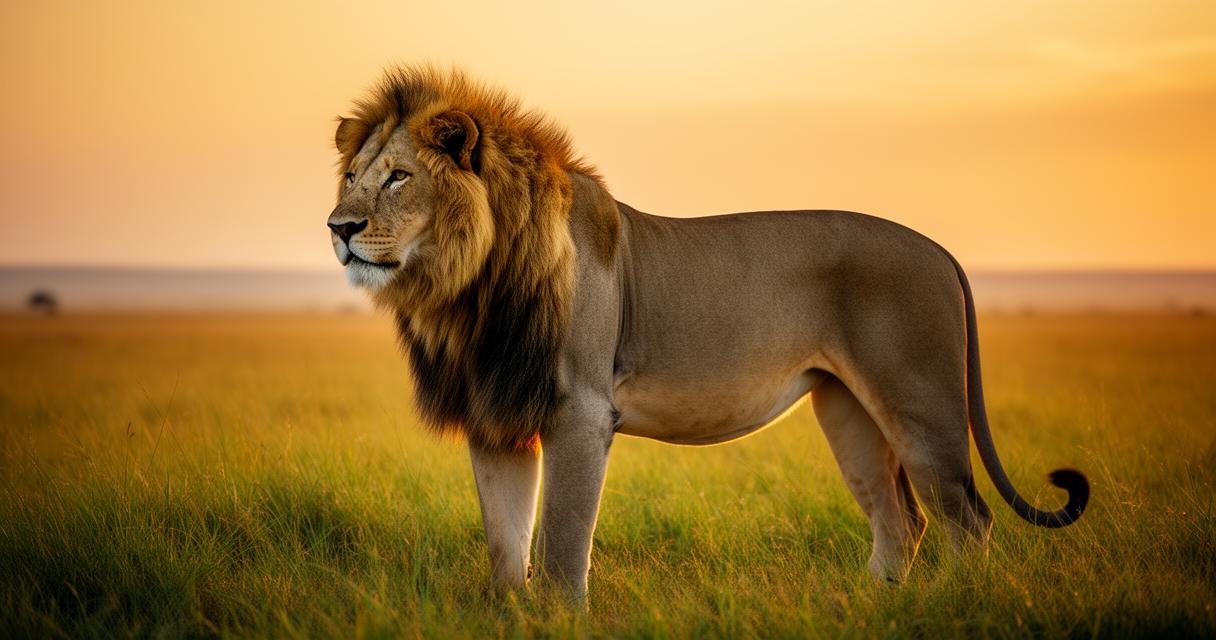
The vivid combination of green, yellow, and red weaves through the fabric of African identity, symbolising a continent rich in natural resources, mineral wealth, and the blood of those who fought for freedom. When paired with the image of the lion, these colours transcend mere decoration, becoming a powerful visual language that speaks to heritage, resilience, and the untamed spirit of the wilderness. This exploration delves into the layers of meaning embedded in these symbols, tracing their journey from ancient reverence to contemporary conservation efforts, and examining how they continue to shape cultural expression across Africa and beyond.
The Symbolic Power of Green, Yellow, and Red in African Culture and the Majestic Lion
Pan-African Colours: A Visual Testament to Unity and Heritage
The tricolour arrangement of green, yellow, and red holds profound significance across the African continent, emerging as a visual shorthand for Pan-African unity and independence. Green typically represents the lush landscapes and fertile lands that sustain communities, embodying hope and the agricultural bounty of the earth. Yellow stands for the vast mineral wealth beneath African soil, particularly gold, which has shaped economies and histories for millennia. Red commemorates the struggle for liberation, honouring the sacrifices made in the fight against colonialism and oppression. These colours first gained prominence through the Ethiopian flag, one of the oldest national banners in the world, and subsequently inspired numerous newly independent African nations during the mid-twentieth century decolonisation movement. The adoption of these hues became a deliberate political statement, a visual declaration of sovereignty and shared identity among diverse peoples united by geography and historical experience. Beyond national flags, the green, yellow, and red combination permeates cultural festivals, traditional attire, and contemporary art, serving as a constant reminder of collective resilience and the ongoing journey toward self-determination. This chromatic trinity functions as both a celebration of natural abundance and a solemn acknowledgement of the price paid for freedom, creating a visual narrative that resonates deeply within African consciousness and throughout the global diaspora.
The Lion as Cultural Icon: From Ancient Symbolism to Modern Conservation
Throughout African history, the lion has commanded reverence as the embodiment of strength, courage, and royal authority. Ancient civilisations across the continent incorporated lion imagery into their spiritual practices, governance structures, and artistic expressions, recognising the animal as a bridge between the earthly and divine realms. In many traditional belief systems, the lion represents leadership qualities essential to effective rulership, with monarchs and chiefs adopting leonine titles and iconography to legitimise their authority. The creature's prominence extends beyond political symbolism into folklore and oral traditions, where stories of lions impart moral lessons about bravery, wisdom, and the delicate balance between power and responsibility. As Africa confronted colonialism, the lion evolved into a symbol of resistance, representing the indomitable spirit of peoples refusing subjugation. In contemporary contexts, the lion has assumed yet another vital role as the flagship species for wildlife conservation efforts, drawing international attention to the urgent need for habitat preservation and ecosystem protection. Conservation organisations leverage the lion's cultural resonance and charismatic appeal to mobilise support for broader environmental initiatives, recognising that protecting this apex predator requires safeguarding entire landscapes and the myriad species they contain. This evolution of leonine symbolism demonstrates how cultural icons adapt to address the pressing concerns of each era whilst maintaining their fundamental connection to identity and values.
The Lion's Domain: Understanding Savannah Ecosystems and the King of Beasts
Life in the Savannah: Where Lions Reign Supreme Amongst African Wildlife
The vast savannahs of Africa provide the perfect theatre for the lion's reign, offering expansive grasslands interspersed with acacia woodlands that support an extraordinary diversity of wildlife. These ecosystems operate through intricate relationships where predators, prey, and vegetation maintain a dynamic equilibrium shaped by seasonal rains, migrations, and competitive interactions. Lions occupy the apex of this complex food web, their hunting strategies and social behaviours influencing population dynamics across multiple species. The savannahs pulsate with life during the wet season when fresh grasses attract massive herds of wildebeest, zebra, and antelope, creating abundant hunting opportunities for lion prides. During drier months, competition intensifies as water sources shrink and prey concentrations shift, forcing lions to adapt their strategies and sometimes expand their territories. The health of savannah ecosystems depends upon maintaining these natural patterns, with lions serving as crucial regulators of herbivore populations that might otherwise overgraze vegetation. Beyond their ecological function, savannahs represent some of Africa's most iconic landscapes, attracting visitors from across the globe who seek encounters with wildlife in settings that evoke the continent's primordial grandeur. The preservation of these environments faces mounting challenges from agricultural expansion, human settlement, and climate change, making the conservation of savannah habitats inseparable from efforts to protect the charismatic species they support.
The Lion's Den: Social Structures and Territorial Behaviour in Felinity
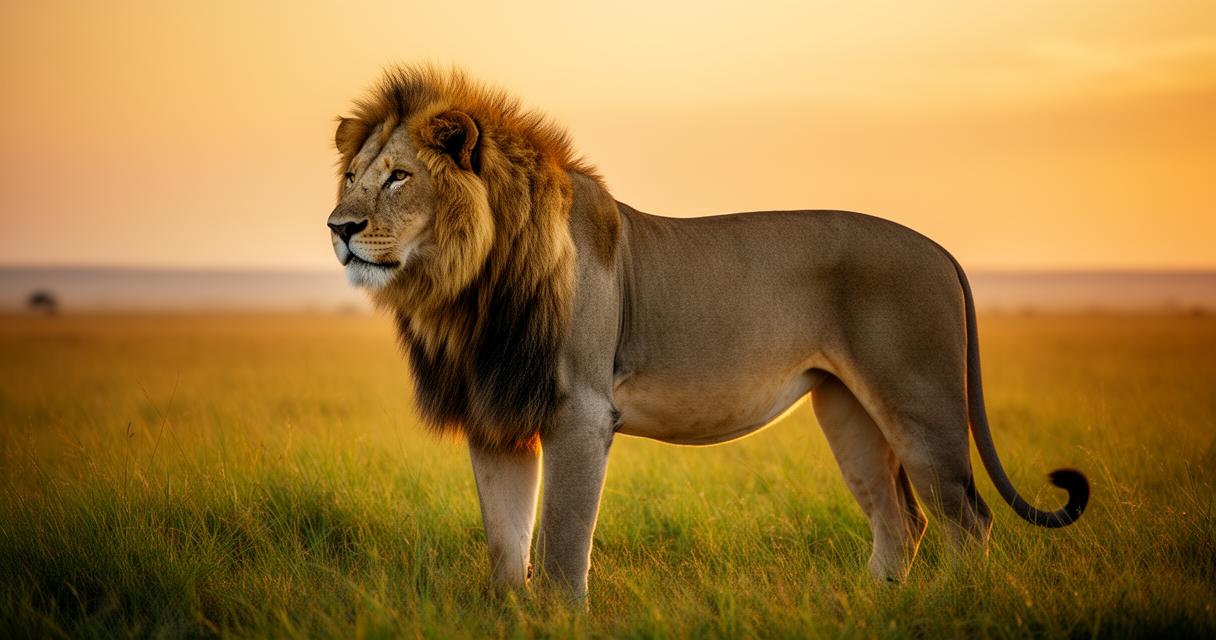
Unlike most feline species that embrace solitary existences, lions have evolved remarkably complex social organisations centred around the pride, a stable group typically comprising related females, their offspring, and a coalition of males. This social structure provides distinct advantages for hunting large prey, defending territories, and raising cubs in an environment rife with dangers from competing predators and environmental threats. Female lions form the permanent core of the pride, often remaining within the same territory for their entire lives and cooperating in coordinated hunts that demonstrate sophisticated communication and strategic planning. Male coalitions, usually brothers or close relatives, compete fiercely for control of prides, with tenure lasting only a few years before younger challengers displace them. The lion's den, whether a sheltered thicket, rocky outcrop, or dense vegetation, serves as a nursery for vulnerable cubs and a gathering place for pride members. Territorial behaviour manifests through scent marking, vocalisations, and patrolling, with roars audible over considerable distances serving to warn rivals and maintain social bonds within the pride. This felinity, the essential lion-ness expressed through behaviour and biology, distinguishes these magnificent cats from their solitary cousins and creates social dynamics comparable in complexity to those observed in primates. Understanding these intricate relationships proves essential for conservation efforts, as disrupting pride structures through hunting or habitat fragmentation can trigger cascading effects that threaten population viability and genetic diversity across regions.
Cultural expression through lion imagery: from jewellery to conservation efforts
Adornment and Identity: Lion Motifs in African Jewellery and Decoration
The translation of leonine imagery into jewellery and decorative arts represents a tangible expression of cultural values and personal identity, with artisans across Africa creating pieces that channel the lion's symbolic power into wearable and displayable forms. Traditional metalworking techniques produce intricate pendants, rings, and bracelets featuring stylised lion heads or full figures, often incorporating the green, yellow, and red colour scheme through careful selection of materials or enamel work. These adornments serve multiple functions beyond mere aesthetics, acting as markers of social status, talismans for protection, and declarations of cultural affiliation. In contemporary contexts, lion-themed jewellery has transcended traditional boundaries to become a global phenomenon, with designers drawing inspiration from African motifs whilst adapting them to modern sensibilities and production methods. The decoration of homes, community spaces, and ceremonial objects with lion imagery similarly reinforces cultural continuity, transforming everyday environments into repositories of meaning and heritage. Textiles featuring bold patterns of lions against backgrounds of Pan-African colours appear in celebrations, political gatherings, and personal wardrobes, creating visual solidarity among those who wear them. This proliferation of lion motifs in material culture demonstrates how symbols evolve and proliferate whilst retaining their essential meanings, adapting to new contexts without losing their connection to deeper cultural currents. The commercial success of these designs also creates economic opportunities for artisans and communities, linking cultural preservation with sustainable livelihoods in ways that benefit both tradition-bearers and consumers seeking authentic connections to African heritage.
Preserving the Legacy: Wildlife Conservation and Cultural Significance in Modern Africa
The convergence of wildlife conservation and cultural significance creates powerful synergies for protecting both natural heritage and traditional knowledge systems that have sustained harmonious relationships between humans and animals for generations. Modern conservation initiatives increasingly recognise that effective protection of lions and their habitats requires engaging local communities as active partners rather than passive recipients of externally imposed restrictions. Programmes that incorporate traditional ecological knowledge, provide tangible benefits to communities living alongside wildlife, and respect cultural connections to animals have demonstrated greater success than purely regulatory approaches. The cultural significance of the lion enhances these efforts by providing motivational narratives that transcend economic calculations, appealing to pride, identity, and the responsibility to preserve heritage for future generations. Conservation organisations strategically employ lion imagery alongside the green, yellow, and red colours to communicate messages that resonate with African audiences whilst attracting international support and funding. Educational initiatives use the lion's cultural prominence as an entry point for broader discussions about ecosystem health, sustainable development, and the interconnections between human wellbeing and environmental integrity. However, tensions persist between conservation objectives and immediate livelihood needs, particularly in areas where lions pose genuine threats to livestock and human safety. Addressing these challenges requires nuanced approaches that acknowledge legitimate concerns whilst developing solutions that allow coexistence rather than conflict. The future of lions in Africa ultimately depends upon weaving together conservation science, cultural values, economic realities, and political will into integrated strategies that honour both the symbolic power and ecological necessity of these magnificent creatures within the landscapes they have inhabited since time immemorial.