Nestled in the heart of Brittany, Quimper stands as one of France's most enchanting destinations, a city where ancient Celtic traditions blend seamlessly with medieval grandeur and vibrant local culture. With a population exceeding 63,000 residents, this historic settlement at the confluence of the Odet and Steir rivers offers visitors a captivating journey through centuries of French heritage, artisanal craftsmanship, and culinary excellence. The city's compact layout makes it ideal for exploration on foot, revealing charming streets, traditional markets, and architectural treasures at every turn.
Quimper's medieval architecture and cathédrale saint-corentin
The architectural landscape of Quimper tells a story that spans several centuries, with structures that reflect the city's importance as a religious and cultural centre in Brittany. The skyline is dominated by remarkable examples of medieval construction, each building bearing witness to the skill and artistry of craftsmen who shaped the city's distinctive character. Walking through the historic centre reveals a harmonious blend of stone facades, narrow lanes, and carefully preserved monuments that transport visitors to another era.
Gothic Splendour of the Cathedral's Twin Spires
The magnificent Saint Corentin Cathedral represents the pinnacle of Gothic architecture in western France, its twin spires rising majestically above the surrounding rooftops to create an unmistakable landmark visible from throughout the city. Construction of this remarkable edifice spanned several centuries, resulting in a harmonious synthesis of architectural styles that nonetheless maintains a coherent aesthetic vision. The cathedral's interior captivates with soaring vaulted ceilings, intricate stone carvings, and stunning stained glass windows that filter light into kaleidoscopic patterns across the ancient flagstones. Visitors exploring this sacred space discover numerous chapels, each adorned with religious artworks and sculptures that reflect the deep spiritual heritage of the region. The cathedral's slightly off-centre axis, a curious architectural feature, has sparked countless theories and legends among historians and locals alike, adding an element of mystery to this already fascinating structure.
Half-timbered houses along the odet riverbanks
Beyond the cathedral, the historic centre showcases an extraordinary collection of half-timbered houses that line the banks of the Odet river, their distinctive facades creating picturesque scenes beloved by photographers and artists. These structures, dating primarily from the fifteenth and sixteenth centuries, feature characteristic exposed wooden beams filled with wattle and daub, often painted in traditional colours that enhance their visual appeal. The overhanging upper storeys, a common feature of medieval urban architecture, create covered walkways that once protected merchants and pedestrians from Brittany's frequent rainfall. Many of these buildings now house boutiques, cafés, and restaurants, their historic exteriors concealing modern interiors that serve contemporary needs whilst respecting the architectural integrity of the structures. The riverfront promenades offer delightful walks where visitors can admire these architectural gems whilst enjoying views across the water, particularly enchanting during the golden hours of dawn and dusk when soft light illuminates the ancient timbers and reflects off the gently flowing Odet.
Traditional breton culture and faience pottery heritage
Quimper's identity remains deeply rooted in Breton traditions, with the city serving as a guardian of Celtic heritage that distinguishes this region from other parts of France. This cultural distinctiveness manifests in language, music, festivals, and craftsmanship, creating a unique atmosphere that captivates visitors seeking authentic experiences. The preservation of these traditions represents not mere nostalgia but a living connection to centuries of regional identity that continues to shape daily life and community celebrations throughout the year.
The renowned hb-henriot faience workshops
Perhaps no craft embodies Quimper's artistic heritage more completely than its celebrated faience pottery, a tradition of tin-glazed earthenware that has flourished here since the seventeenth century. The HB-Henriot workshops represent the continuation of this remarkable artisanal legacy, producing hand-painted ceramics that combine traditional motifs with contemporary designs. Visitors to these workshops witness skilled artisans applying intricate patterns depicting Breton costumes, flowers, and scenes from rural life, each piece requiring hours of meticulous labour before being fired in kilns that have operated continuously for generations. The distinctive yellow, blue, and green colour palette of Quimper faience has become instantly recognisable to collectors worldwide, with antique pieces commanding significant prices at auctions whilst contemporary creations remain accessible to visitors seeking authentic souvenirs. The pottery traditions extend beyond decorative items to include functional tableware that graces dining tables throughout Brittany, connecting daily rituals to centuries of craftsmanship. Museums and galleries throughout the city display extensive collections documenting the evolution of styles and techniques, offering fascinating insights into how this craft has adapted whilst maintaining its essential character.
Festival de Cornouaille and Celtic Traditions
The annual Festival de Cornouaille transforms Quimper into a vibrant celebration of Breton culture, attracting performers and visitors from across the Celtic world for a week of music, dance, and traditional festivities. This major cultural event, typically held in July, features parades of participants wearing elaborate regional costumes, their embroidered fabrics and distinctive headdresses representing different areas of Brittany. The sounds of bagpipes, bombards, and other traditional instruments fill the streets as musicians perform ancient melodies alongside contemporary Celtic fusion compositions. Dance troupes demonstrate the intricate footwork and formations of traditional Breton dances, inviting spectators to join in communal celebrations that blur the boundaries between performers and audience. Beyond the festival period, Celtic traditions permeate daily life through the continued use of the Breton language in signage and conversation, the popularity of folk music in local venues, and the preservation of culinary traditions that emphasise regional ingredients and time-honoured preparation methods. This cultural vitality ensures that Quimper remains not simply a museum of the past but a living community where ancient traditions continue to evolve and inspire new generations.
Quimper's charming town centre and local markets
The heart of Quimper reveals itself most authentically through its bustling town centre, where daily life unfolds amidst historic buildings and public spaces that have served as gathering points for centuries. The compact nature of the city centre makes exploration particularly rewarding, with discoveries awaiting around every corner and down every narrow lane. This accessibility encourages leisurely wandering, allowing visitors to absorb the atmosphere at a pace that suits contemplation and appreciation of subtle details.
Place au Beurre and Artisanal Crêperies
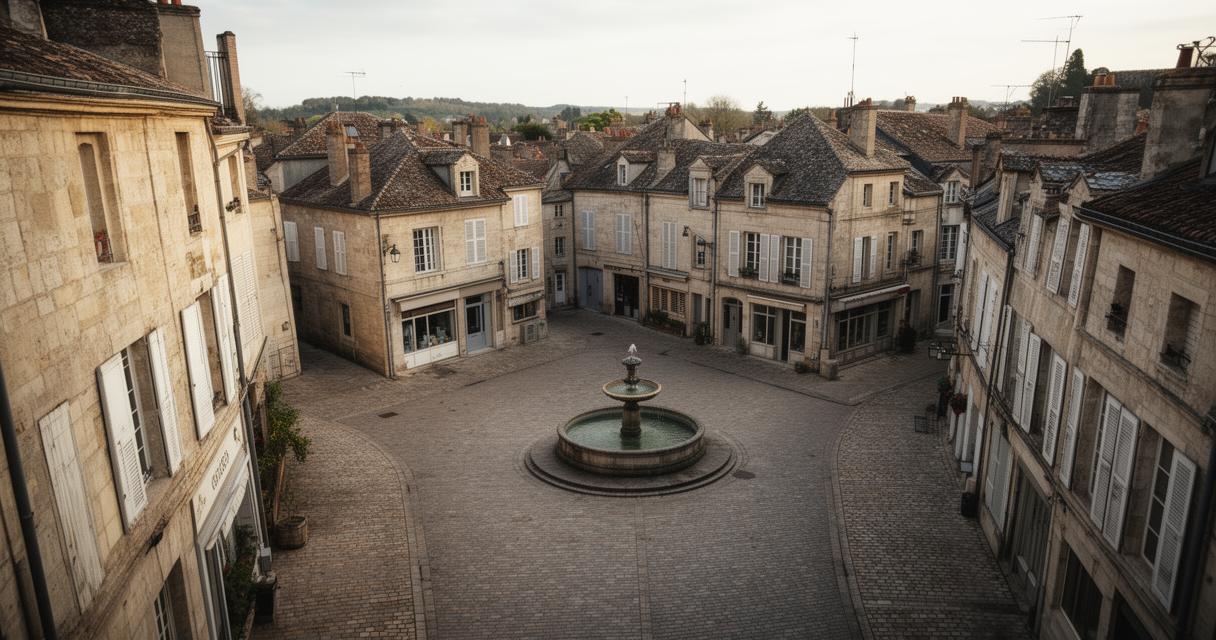
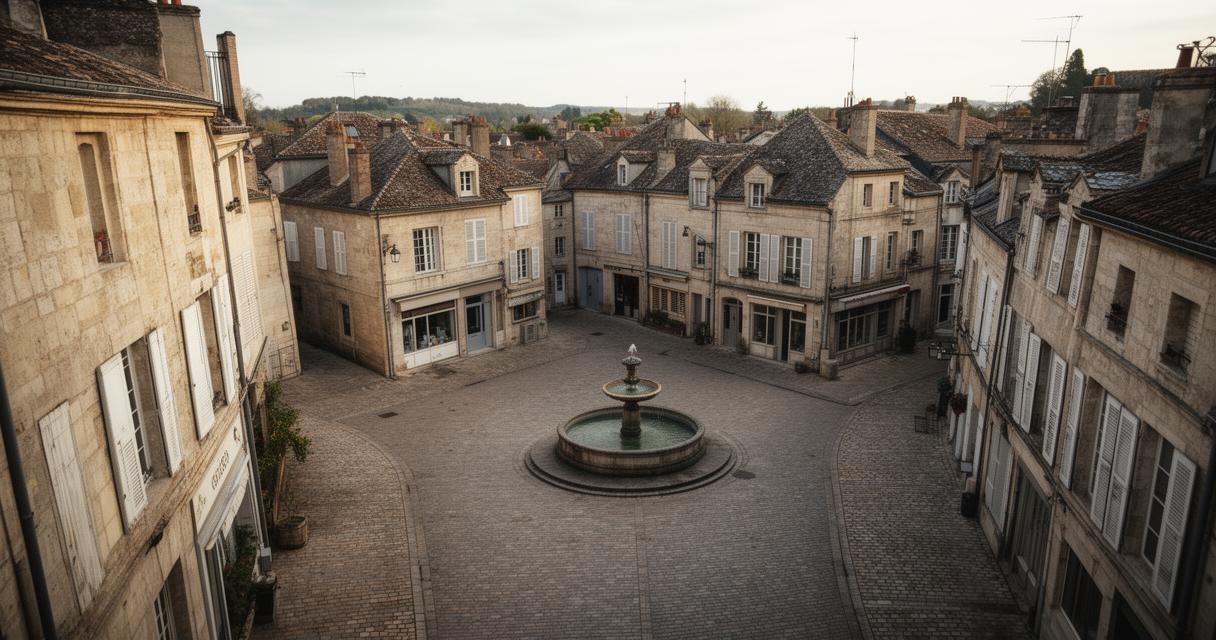
The charming Place au Beurre, its name recalling the butter market that once operated here, serves as a focal point for culinary exploration in Quimper. This picturesque square, surrounded by beautifully preserved medieval buildings, hosts numerous traditional crêperies where diners can savour authentic Breton cuisine prepared according to recipes passed down through generations. The distinction between sweet crêpes and savoury galettes made from buckwheat flour represents an essential element of regional gastronomy, with fillings ranging from simple butter and sugar to elaborate combinations featuring local seafood, cheeses, and vegetables. The preparation of these delicacies on large circular griddles becomes a performance in itself, with skilled cooks spreading batter with wooden spreaders in fluid motions perfected through years of practice. Beyond crêpes, the local cuisine showcases the bounty of Brittany's coastal waters and fertile farmlands, with fresh seafood featuring prominently on menus alongside specialities such as kouign-amann, a rich buttery pastry that exemplifies the region's love of generous flavours. The tradition of accompanying meals with local cider or chouchen, a distinctive mead made from fermented honey, adds authenticity to the dining experience whilst supporting local producers who maintain traditional beverage-making techniques.
Musée des Beaux-Arts and Regional Artistic Collections
The Musée des Beaux-Arts de Quimper houses an impressive collection that spans several centuries of artistic production, with particular strengths in works depicting Breton life and landscapes. The museum's galleries display paintings by artists associated with the Pont-Aven School, a movement that brought numerous painters to Brittany in search of subjects embodying rustic authenticity and spiritual simplicity. These works capture scenes of rural labour, religious processions, and coastal vistas rendered in styles ranging from academic realism to post-impressionist experimentation. The collection extends beyond paintings to include sculptures, drawings, and decorative arts that document the evolution of artistic tastes and techniques. Regular temporary exhibitions complement the permanent collection, often focusing on contemporary artists working within Breton traditions or exploring themes relevant to regional identity. The museum building itself merits attention, its architecture providing an elegant setting that enhances appreciation of the artworks whilst offering insights into nineteenth-century approaches to cultural institutions. Beyond the museum, numerous galleries throughout the historic centre showcase works by contemporary artists and craftspeople, maintaining Quimper's reputation as a city where artistic creation remains vital and valued. The Halles Saint-François market represents another essential destination, where vendors offer local food products, artisanal pottery, and regional specialities in a covered space that buzzes with activity and conversation, particularly on weekend mornings when residents gather to shop and socialise.
Quimper's appeal extends beyond its individual attractions to encompass the overall atmosphere of a city that has preserved its character whilst adapting to contemporary needs. The oceanic climate ensures mild temperatures throughout the year, with averages around 17.8 degrees Celsius in July and 8.0 degrees in January, though visitors should prepare for frequent rainfall, particularly during winter months when December can bring up to eighteen wet days. Practical considerations for visitors include the fact that many establishments prefer cash transactions and that public transport operates on reduced schedules on Sundays, making advance planning advisable. The city's location makes it an excellent base for exploring wider Brittany, with nearby destinations including Concarneau, Brest, and Lorient all within an hour's drive, accessible via well-maintained roads that traverse the region's distinctive landscape. For those arriving from further afield, Brest Bretagne Airport lies approximately 55.5 kilometres away, whilst rail connections through Rennes Station or Nantes Railway Station provide alternatives for travellers preferring train journeys. Accommodation options range from budget-friendly hostels to characterful boutique hotels, many situated within the historic centre where waking to views of medieval architecture and the sounds of church bells creates memorable stays. When visiting religious sites such as the cathedral, modest dress demonstrates respect for sacred spaces and local customs. Whether drawn by architectural heritage, artistic traditions, culinary delights, or the simple pleasure of wandering streets steeped in history, visitors to Quimper discover a destination that rewards curiosity and offers insights into a distinctive corner of French culture where Celtic identity remains proudly celebrated.