Martinique, a French overseas department nestled in the heart of the Caribbean, operates within the same postal framework as mainland France. Whether you are sending documents to a local authority, completing administrative paperwork, or registering a vehicle, knowing the correct Martinique postal codes can make a significant difference to how smoothly your procedures unfold. This guide walks you through the essentials of the island’s postal system, its administrative geography, and the practical steps you can take to avoid unnecessary delays.
Key takeaways
- Martinique follows the French national postal system, with all five-digit postal codes starting with the department identifier 972.
- The island is divided into four administrative arrondissements, which serve as a foundational framework for organizing the 30 unique postal codes covering 37 localities.
- It is crucial to distinguish between postal codes used for mail delivery and INSEE codes used for official statistical and administrative identification.
- Mismatched postal and commune information in administrative forms can lead to processing delays or the rejection of official documents like vehicle registrations.
- Adhering to the standard French addressing format—including using capital letters for the commune name—is essential for accurate mail delivery and online form validation.
- Residents should use official La Poste resources to verify address details and codes to ensure compliance with both local and national administrative requirements.
Understanding the administrative geography and postal codes in Martinique
Martinique covers a total land area of 1,128 km² and is home to a population of around 347,000 residents, of whom the vast majority live in urban areas. As a full department of France, the island follows the national code postal system, meaning all five-digit codes begin with 972, the department number assigned to Martinique. This structure immediately distinguishes the island’s codes from those of mainland France and makes postal code search straightforward for anyone familiar with French administrative conventions.
The island is divided into four administrative arrondissements: Fort-de-France, Le Marin, Saint-Pierre, and La Trinité. These groupings shape how communes are organised across the northern, central, and southern parts of the island, and they provide a useful framework for understanding which codes correspond to which geographical areas.
Locating northern and southern communes on the island map
When consulting a Martinique administrative map, the northern communes tend to be more rural and mountainous, while the south and centre host the majority of the urban population. Fort-de-France, the capital, carries codes ranging from 97200 to 97299, reflecting the density and complexity of its urban layout. Further north, Basse-Pointe is assigned the code 97218, and Le Carbet, a coastal commune with considerable historical significance, uses 97221. In the south, Le Diamant carries the code 97223, whilst Le François, known for its natural harbour, uses 97240.
Understanding this geographical distribution is especially useful when completing forms that require you to specify not just the commune name but also the exact postcode. A mismatch between a commune name and its code can cause delays in processing, particularly for official documents handled at the departmental level.
Differentiating between INSEE local council codes and standard postal codes
A common source of confusion in French administrative paperwork is the distinction between the INSEE code and the standard postal code. The INSEE code is a numerical identifier used by France’s national statistics institute to classify each commune uniquely within the national territory. It is primarily used for statistical purposes, in official registers, and on certain administrative forms. The postal code, by contrast, is the code used by La Poste, the national postal authority, for the routing and delivery of mail.
In Martinique, these two codes may share the same opening digits but are not interchangeable. When filling in a form for State services or a local council, it is worth double-checking which type of code is requested. Using an INSEE code in a field designated for a postal code, or vice versa, can result in a rejected application or a document being routed to the wrong office.
Key Martinican communes and their specific postal identification
Martinique counts a total of 30 postal codes covering 37 localities across the island. This relatively compact set of codes belies the diversity of the communes they represent, ranging from bustling town centres to quiet rural settlements in the hills and along the coast.
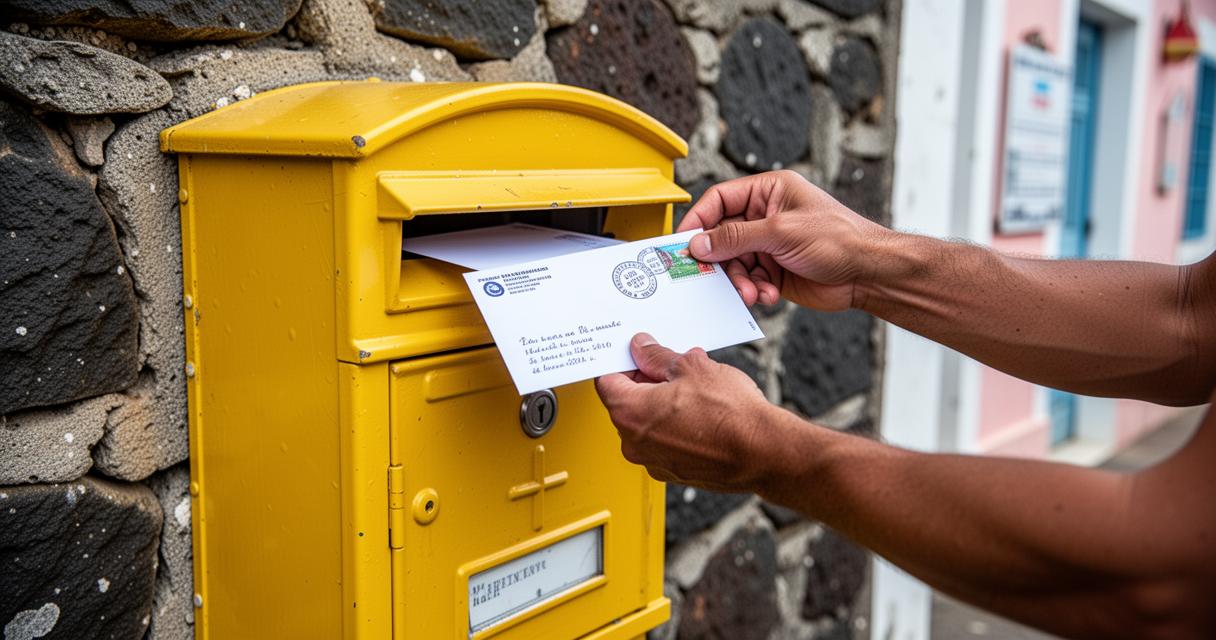
Navigating details for Saint-Denis, L’Ajoupa-Bouillon and Sainte-Luce
Among the communes that sometimes cause uncertainty is Fonds-Saint-Denis, a small inland village in the northern part of the island, which carries the postal code 97250. Its name is occasionally truncated or confused with Saint-Denis in other French territories, so it is worth ensuring the full commune name appears on any correspondence or official document. Equally, L’Ajoupa-Bouillon, a picturesque commune set against the backdrop of Mount Pelée, shares its postcode area with other northern localities, making it important to specify the commune name precisely rather than relying on the code alone.
Sainte-Luce, situated on the southern coast, is a popular residential and tourist commune. When addressing mail or completing address validation forms for this area, ensuring the correct five-digit code is used alongside the commune name written in capitals, as is standard French postal practice, will help ensure timely delivery and accurate processing.
Identifying codes for Le Morne-Rouge and Rivière-Pilote
Le Morne-Rouge, located on the slopes of the Montagne Pelée volcano in the north of the island, holds particular historical significance. Rivière-Pilote, situated in the south, is one of the larger rural communes and serves as an important administrative centre for the surrounding area. Both communes have their own distinct city and town codes within the 972 range, and both require careful attention when completing paperwork. Mixing up the codes for neighbouring communes is a frequent administrative error, one that is easily avoided by cross-referencing with an up-to-date postcode lookup resource before submitting any documents.
Practical tips for using the correct code in your official paperwork
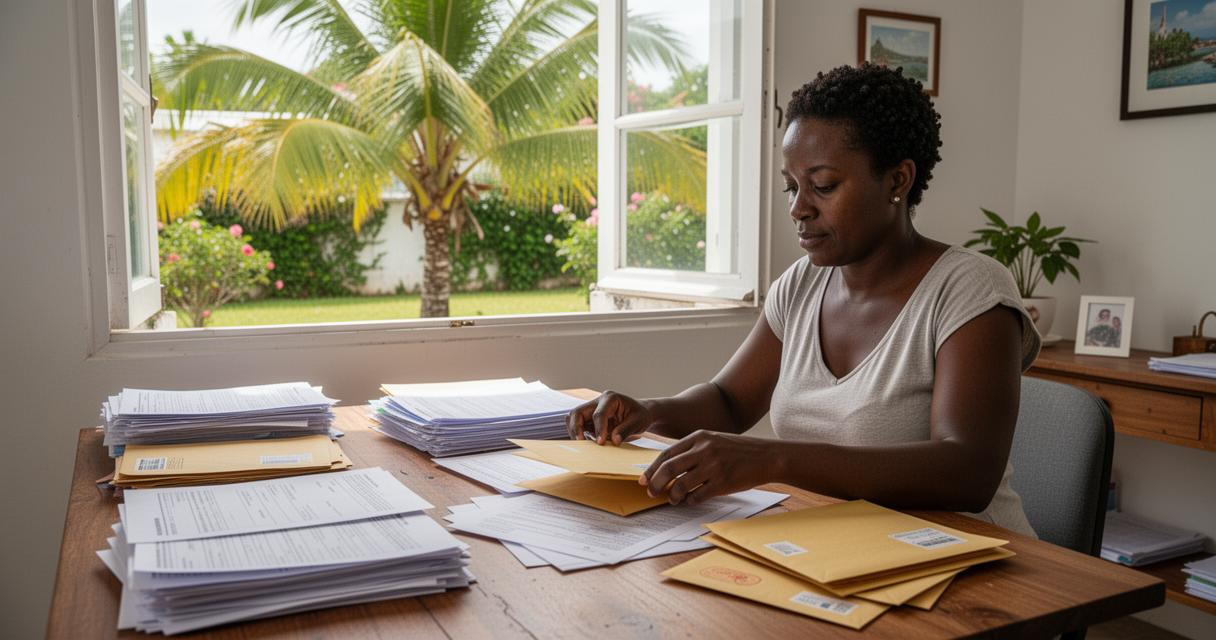
Getting your postal code right is one of the simplest ways to streamline your dealings with French administrative bodies. Whether you are applying for a driving licence, registering a vehicle, or corresponding with a local authority, the address format matters as much as the content of your application.
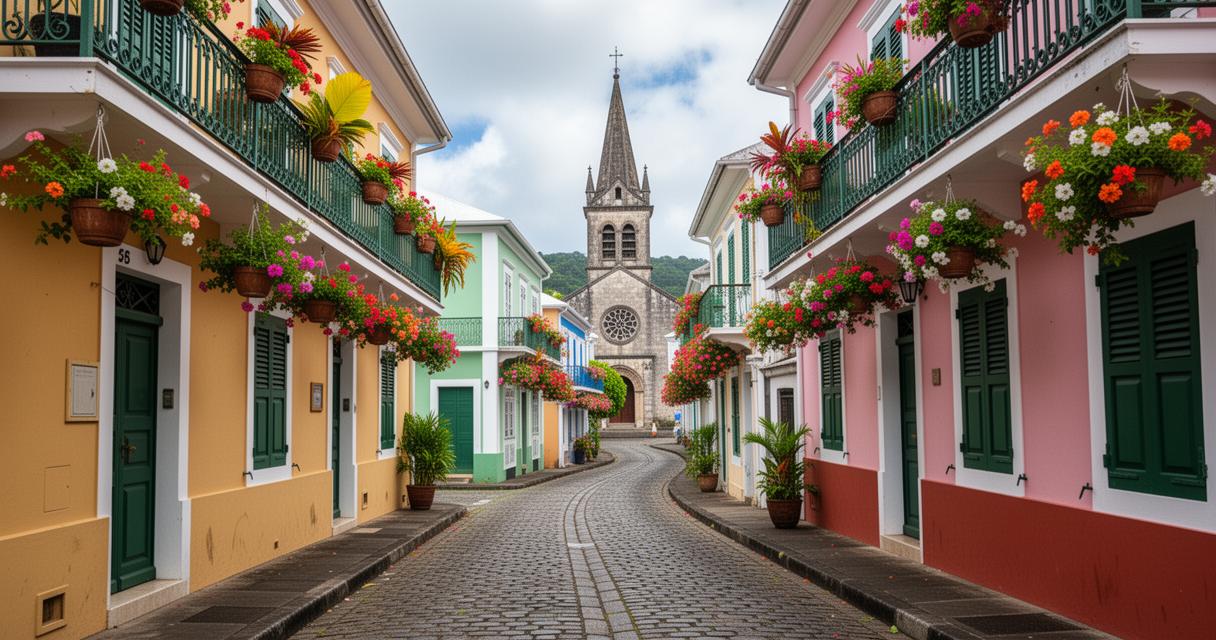
Ensuring smooth processing for vehicle registration certificates and State services
For procedures such as vehicle registration, the address format required by State services follows a consistent pattern: the street name and number come first, followed by the five-digit postal code and then the town name written entirely in capitals. For example, a residential address in Fort-de-France might be written as 2 Impasse Madere, 97200 FORT-DE-FRANCE, with the country code MTQ appended for international correspondence. Adhering to this format reduces the risk of your application being returned for correction.
It is also worth noting that La Poste, which has been operating its national postal service since 1892, provides resources for verifying addresses and codes. Using these tools before submitting important documents can save considerable time, particularly for procedures that carry strict deadlines.
Avoiding delivery delays with precise addresses for local administrative bodies
When sending documents to local administrative bodies in Martinique, precision in the mailing address format is essential. A few practical points are worth keeping in mind:
- Always write the commune name in full and in capitals on the last line of the address, never abbreviated.
- Include the building number before the street name, as this is the standard French convention.
- For postal box addresses, the PO box number should appear on a separate line above the postcode and commune.
- When addressing mail from abroad, add the country name or the ISO code MTQ on the final line.
Beyond physical mail, these same conventions apply to online forms for State services and digital administrative platforms. Many of these systems use address validation tools that will flag any mismatch between a postcode and a commune name, so having the correct information to hand from the outset avoids frustrating error messages. Martinique’s integration into the French national system means that the same rigour expected on the mainland applies equally to this overseas territory in the Caribbean, ensuring that residents and businesses alike benefit from a coherent and well-structured postal system.