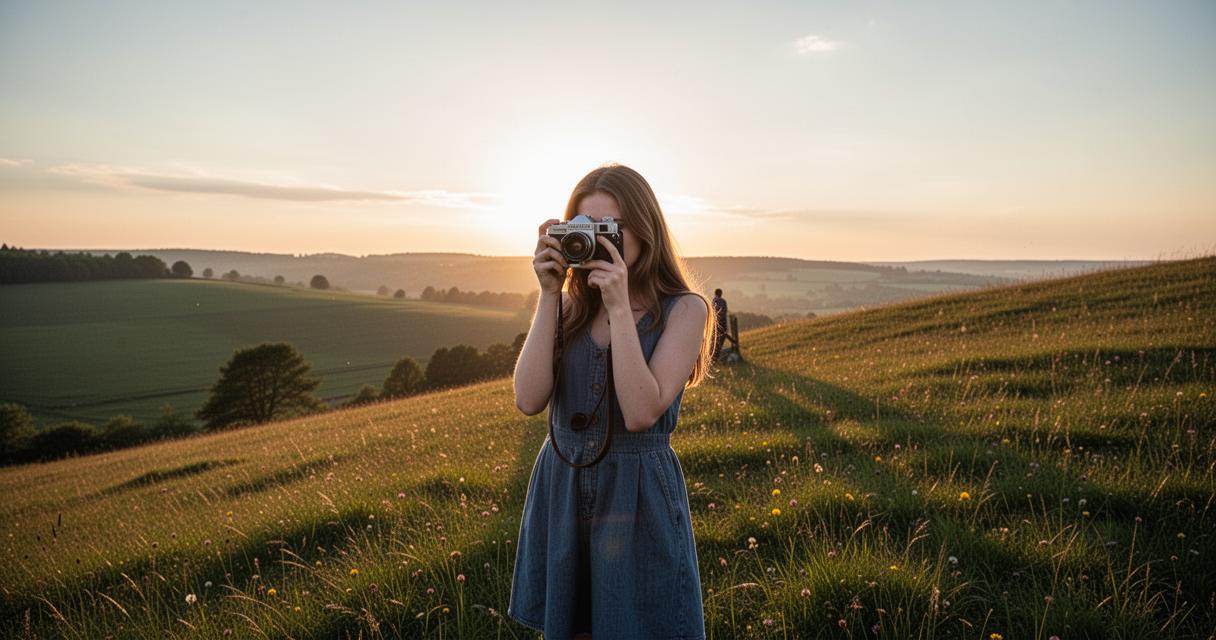
There is something quietly revolutionary happening in the world of photography. Amid the relentless march of digital technology, a growing number of newcomers are reaching for film cameras, drawn by the warmth of grain, the ritual of winding a roll, and the sheer joy of slowing down. Analog photography is not merely a nostalgic pursuit — it is a genuinely rewarding way to learn the craft from the ground up.
In short
- Analog photography is gaining popularity among beginners because it encourages a slower, more intentional approach to capturing images.
- The tactile nature of film cameras, including mechanical shutters and manual controls, helps photographers develop a deeper understanding of exposure and composition.
- Film photography teaches discipline and creative focus because each roll has a limited number of frames, forcing photographers to carefully consider every shot.
- For beginners, choosing a reusable camera with some automated features is often the best way to start without being overwhelmed by technical settings.
- Selecting the right lens, such as a wide-angle for street scenes or a longer focal length for portraits, is essential for achieving specific artistic results.
- Experimenting with different film stocks allows newcomers to explore varied palettes, contrast levels, and grain structures to shape the character of their work.
Why Analog Cameras Are Capturing the Hearts of New Photographers
To understand the renewed enthusiasm for film, one need only hold a classic analog camera in one’s hands. The weight, the mechanical click of the shutter, the deliberate nature of every decision — these qualities set analog apart from the instant gratification of digital shooting. Beginners who start on film often find that they develop a sharper, more considered eye, precisely because each frame carries a tangible cost and commitment. You can find a broad selection of options at https://www.agfaphoto-gtc.com/en/56-analog-cameras, where models range from affordable entry-level choices to more feature-rich designs.
The Tactile Experience of Shooting on Film
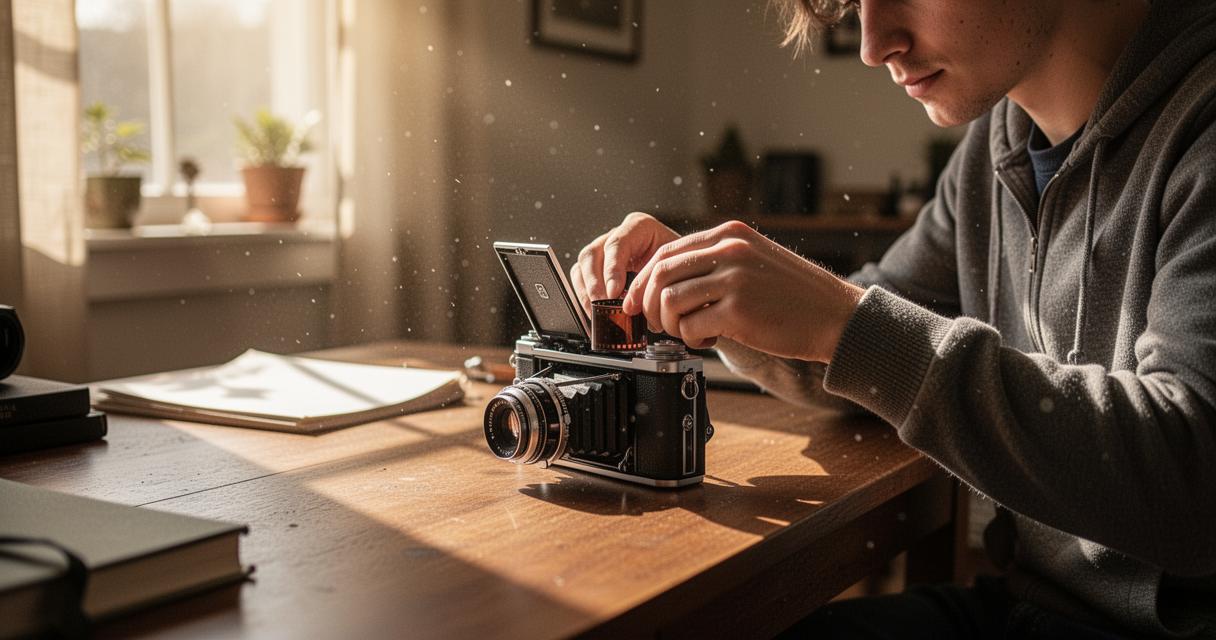
One of the most frequently cited advantages of analog camera equipment is its independence from many modern conveniences — and inconveniences. Film cameras tend to offer longer battery life and require no memory cards, making them remarkably straightforward companions on a day out. The tactile feedback of manual exposure settings, the satisfying advance of a film lever, and the anticipation of waiting for developed images all contribute to an experience that digital photography simply cannot replicate. For those who appreciate the vintage camera aesthetic, even the accessory choices — from leather camera straps to well-worn camera bag designs — become part of the pleasure.
How slowing down can sharpen your creative eye
Shooting on film imposes a natural discipline. With a finite number of exposures on each roll, every shot demands thought. This constraint, far from being a limitation, becomes one of the most effective teaching tools available to a beginner. Photographers who embrace retro photography often speak of how the medium forced them to consider light, composition, and timing in ways that digital never did. The result is a more intentional, more confident approach to image-making that carries over into every other photographic endeavour.
Choosing Your First Analog Camera as a Beginner
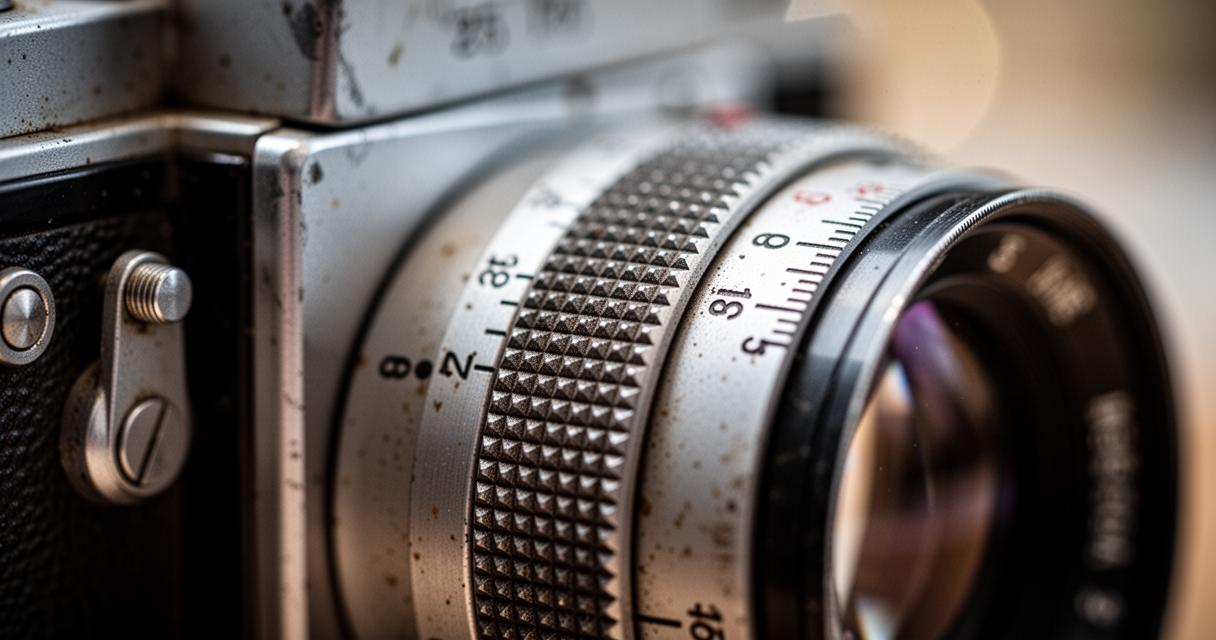
The market for classic analog cameras can feel overwhelming at first glance, but a little guidance goes a long way. For most beginners, a camera offering some automated features is a sensible starting point, allowing the photographer to focus on composition and storytelling rather than wrestling with every technical parameter simultaneously. A reusable film camera is an excellent first choice, offering good value and genuine versatility.
Key Features to Look For When Starting Out with Film
When selecting your first film camera, the camera lens deserves careful attention. For those interested in city photography, a fixed wide-angle lens — typically at 28 or 35mm with a bright maximum aperture — offers excellent flexibility in tight urban spaces. Those drawn to portrait photography, on the other hand, may prefer a slightly longer focal length that flatters subjects and separates them gently from their backgrounds. A motorized film camera can also be a brilliant option for beginners, as the automatic film advance removes one more variable from the learning process, letting you concentrate on the image itself. Whichever direction you choose, look for a model that supports manual focus, as this encourages a deeper understanding of how lenses actually work.
Getting to Grips with Film Types and Their Distinct Looks
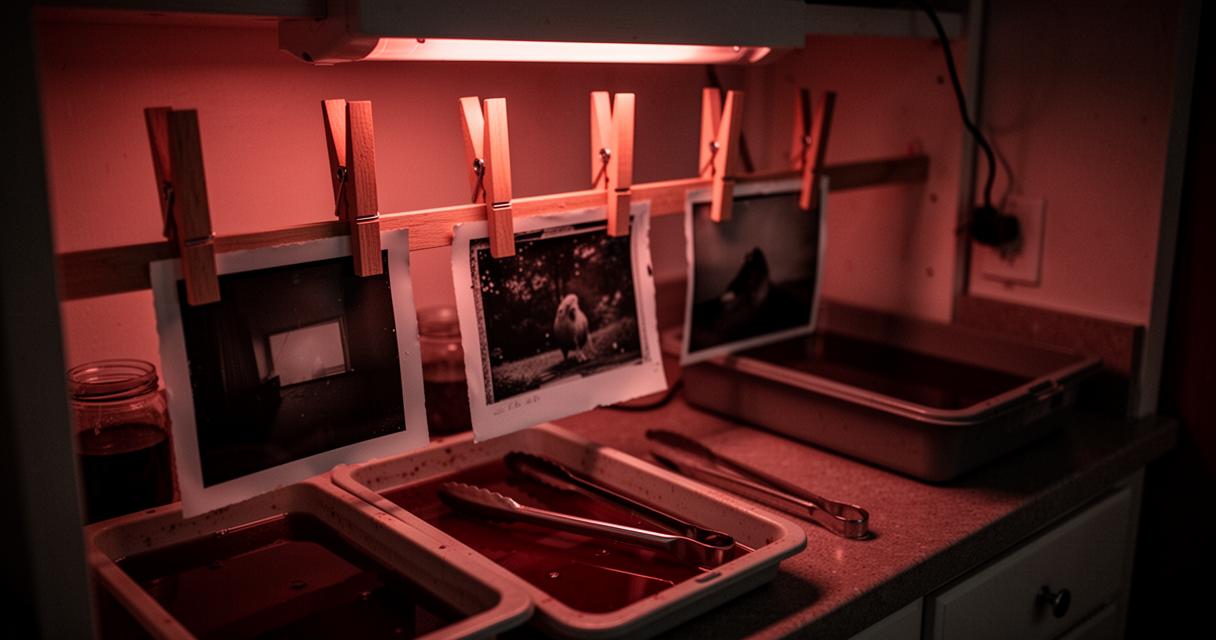
Few decisions shape the character of an image quite like the choice of film stock. Black and white film remains a perennial favourite, with certain emulsions celebrated for their fine grain and tonal richness, while others deliver a grittier, more expressive quality well suited to street work. Colour stocks vary enormously in their palette, contrast, and saturation, meaning that experimenting with different film rolls is itself a creative education. For those curious about home film development, black and white processing is the most accessible starting point, requiring a developing box and the appropriate fluids — a deeply satisfying process that connects the photographer to every stage of image-making. Whatever your chosen stock, keeping a handful of spare rolls in your camera bag alongside your other film camera accessories ensures you are always ready for the next great shot.